Archives

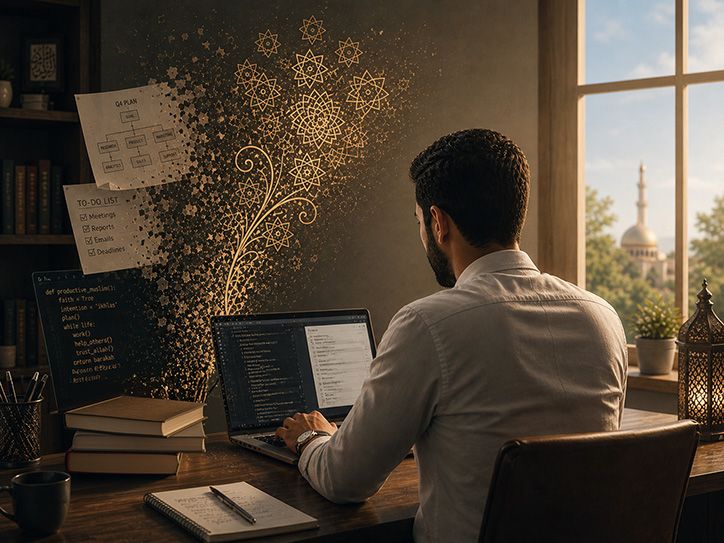
Does a Productive Muslim Need to Consume Less?

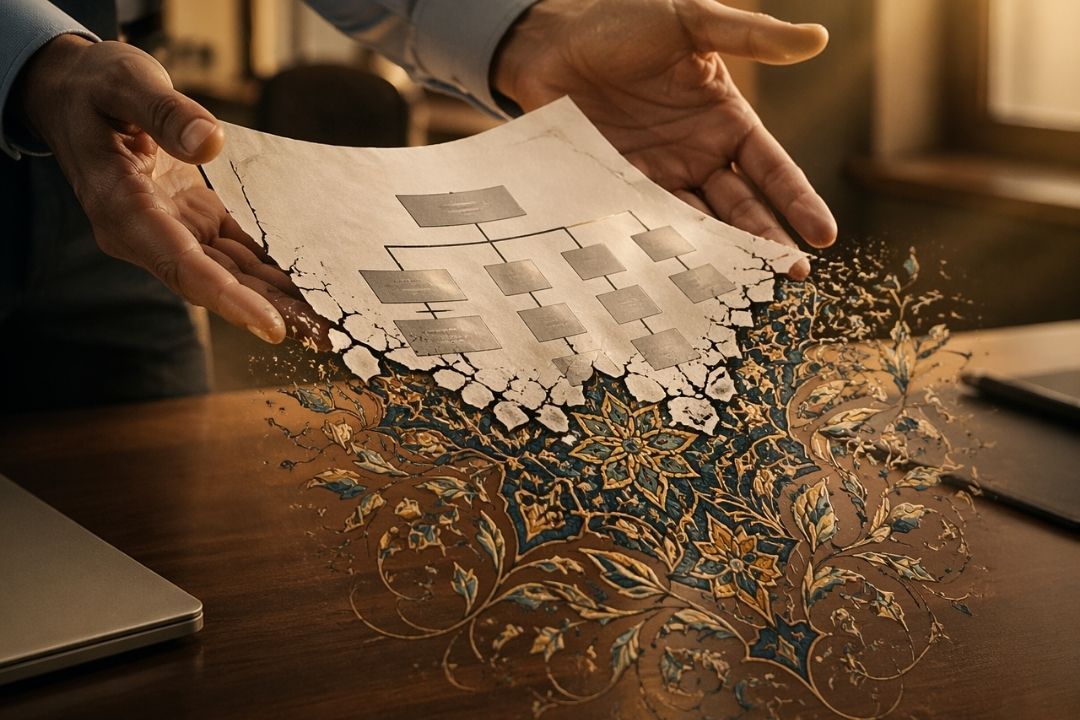
There is a chance that people might assume that all those who are productive will be efficient as well. But the fact is productivity and efficiency are 2 different concepts. We all know that productivity is about quantity of things produced in a certain amount of time. But efficiency is the ability to produce utilizing the minimum resources possible. It could be time, energy, raw materials or any such inputs that might require for production.

While we strive to produce great things we often ignore the amount of consumption which goes into production. Maybe sometimes if we measure intake our net outcome might be having a negative impact to overall system.  In short, if we are serious about a positive impact to the system while focusing on productivity we should have an eye on the efficiency side by focusing on how much resources we consume. This could be by thinking about various aspects like reducing resources, reusing them, recycling them and by other many preventive actions to avoid wastage.

For a Muslim, this is a command from his Lord as well,

“Do not be extravagant, for Allah does not love the wasteful” [6:141, 7:31]


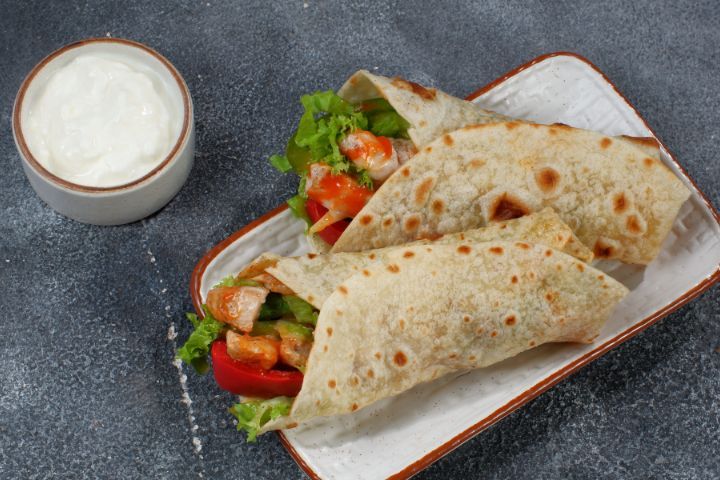
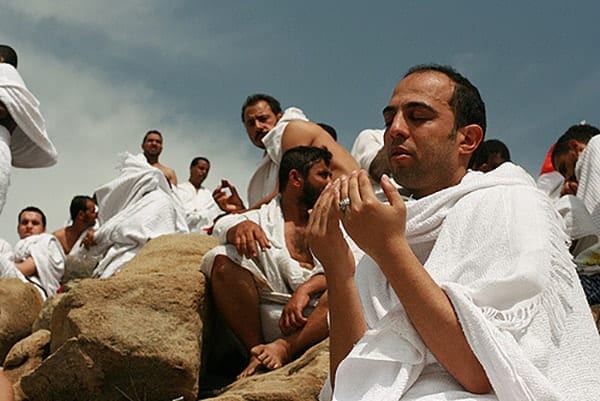
I have been traveling to many Muslim majority countries and one thing that really touched me was the amount of waste our community is producing. This is something that needs to be fixed before we can talk about efficiency. This photo was taken after a small team lunch session at our customers place. Amount of food, tissues, bottles, disposables that were wasted shows that we are least bothered about such warnings. Even during Hajj you can see huge quantities of waste outside many tents and food (often offered free) scattered all over the streets which will make us think that the majority among us didn’t get the real spirit and soul of the rituals and religion.

Following are some initial thoughts that might help each of us to realize how easy it is to improve efficiency.

Continue reading

Story of Stuff

Book Review: The Story of Stuff

Story of StuffThe Story of Stuff: How Our Obsession with Stuff Is Trashing the Planet, Our Communities, and Our Health-and a Vision for Change by Annie Leonard is an in-depth and well-researched book, drawing on her 20 years of experience researching the effects of consumerism and materialism on the global environment. Breaking the life cycle of our stuff into 5 components: extraction, production, distribution, consumption and disposal, she gives you the grim reality of our man-made disaster while balancing it with hope for change with practical solutions.

Leonard argues that our economies are subsystems “of the Earth’s ecosystem, its biosphere” and thus limited by the environment. Part of everything being connected meant that our need for cheap and disposable items results in unfair practices, human right violations, and environmental racism where toxic waste is dumped in poor neighborhoods. She argues that we shouldn’t be dumping at all but rather changing the toxic chemicals we use in production and buying less – which many of us would agree would be a better option. A taste of the book’s content can be found in her 21 minute animated video that started this whole journey here

Review:

As a history nerd, I appreciated all the historical facts and incidents she mentioned as I had never heard of them, either because they were before my time or weren’t covered in mainstream media. For example, December 3, 1984, the largest chemical disaster to date occurred in Bhopal, India, when poisonous gas methyl isocyanate was released due to improper care; the incident killed 8,000 people. Twenty years since the event, survivors are still suffering birth defects and disease because the company responsible, Dow Chemical, has done nothing to remedy the situation.

This underscores why the price we pay at the counter does not fully reflect the true cost of our cheap and disposable gadgets. I loved her emphasis on biomimicry and how that is a more efficient way of solving problems by mimicking nature than our current methods. Allah (Subhanahu Wa Ta’ala) says in the Qur’an. “So blessed is Allah, the best of Creators”. Our solutions to our problems are right in front of us, if we just stop destroying the creation and rather study it as Muslims ought to.

After finishing the book I felt drained – not because of the length (307 pages!) or the subject matter, but rather the inconsistency in format kept me on my toes. Overall though I enjoyed the book and it has become a reference book as the research is impressive; for instance ScoreCard where you can find out how polluted your county is as well as who are the top polluters; or phone applications you could use to determine if toxic materials are in your products (which has apparently resulted in many manufacturers removing the toxins).

Continue reading