I want to propose seven dimensions through which we can measure and increase the weight of our time. Think of these as seven scales nested within each other, from the smallest unit of time to the largest: the moment, the hour, the day, the week, the month, the year, and the lifetime.
I asked our Barakah Effect course students to practice a simple exercise. Before every action, they needed to pause and ask themselves, “How can I please Allah SWT through this?”
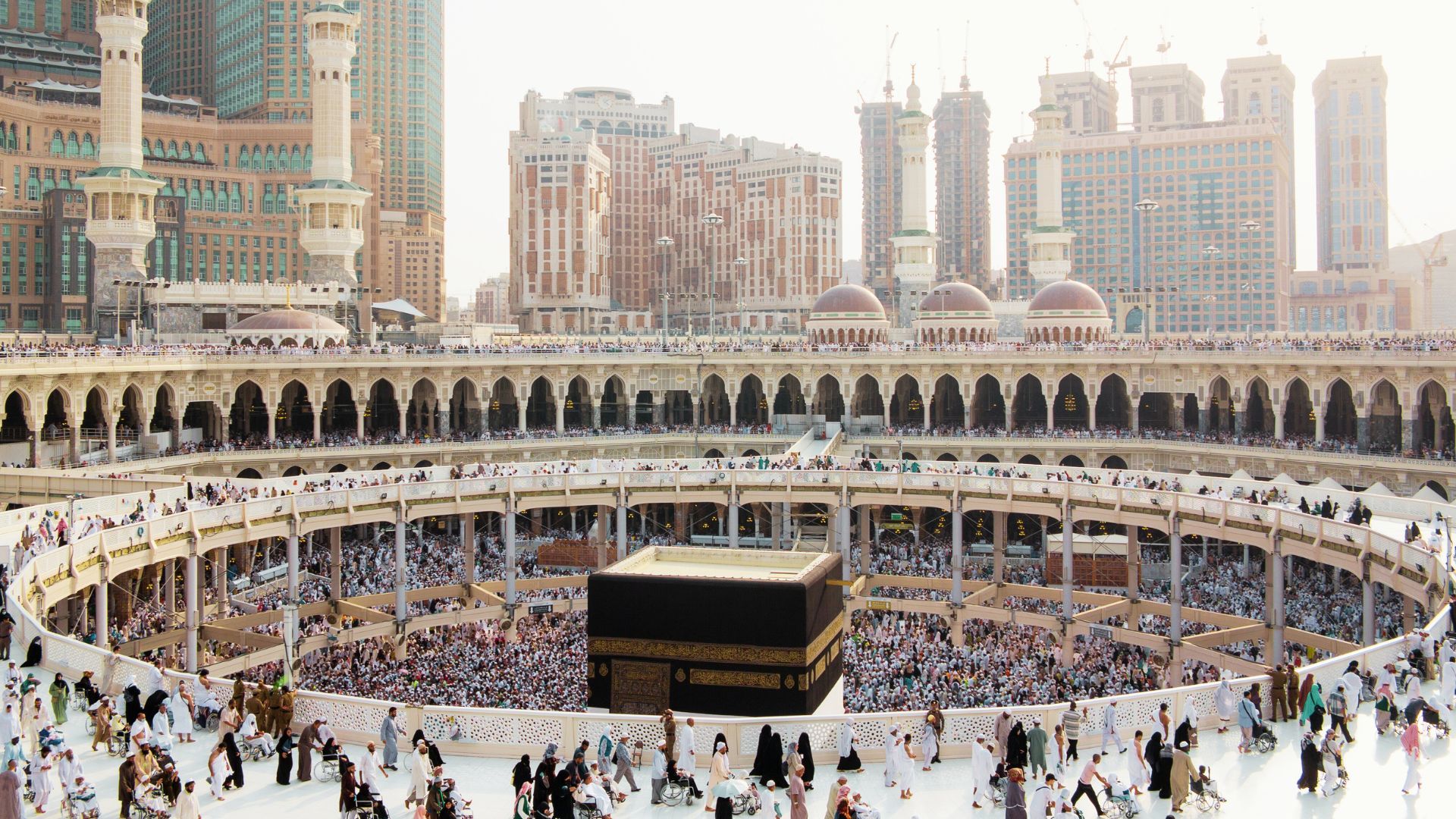
The genius of Islam is that it gives us spiritual seasons to remind us of our purpose in life: Ramadan forces us to slow down. The five daily prayers create mandatory pauses. And these ten days of Dhul-Hijjah? They’re asking us to step off the hamster wheel and witness the sacredness of these days and the year’s greatest event: The Hajj.
Alhamdulillah, we are blessed as Muslims to have the five daily prayers that help us pause in the middle of our busy lives and turn to our Creator. But sadly, many of us rush through them trying to catch up with life.
The irony is that we rush through our meeting with our Creator, Who has control over everything in our lives, to hurry towards meetings with people or tasks that only Allah can facilitate in the first place!
The Prophet Muhammad ﷺ spoke directly about this issue. In a hadith narrated by Abu Hurairah, the Prophet ﷺ noticed a man praying in a hurried manner. He said to him, “Go back and pray, for you have not prayed.” This happened three times, until the man said, “Teach me, O Messenger of Allah.” The Prophet ﷺ then explained, “When you stand for prayer, perform wudu properly, then face the qibla and say takbir. Then recite what you can from the Quran, then bow until you feel at ease in ruku’, then rise until you are standing straight, then prostrate until you feel at ease in prostration…” (Bukhari)
Time wasn’t “precise” – divided into 24 hours, each hour 60 minutes, and each minute 60 seconds. It was more free-flowing, more natural. Below is a description of how Muslim societies organized their time from a book called “Time Sticks”: How Islam and Other Cultures Have Measured Time by Dr. Barbara Freyer Stowasser:
How might we, as modern-day designers, entrepreneurs, and professionals, reconcile the deep understanding and spiritual practice of our creative predecessors with our hyper-digital, Hustle Culture lives?
The intention-impact matrix is a conceptual tool we’ve developed at The Productive Muslim Company to help individuals align their tasks and actions with long-term impact and underlying intention. This is particularly aligned with our Barakah Culture approach to productivity.
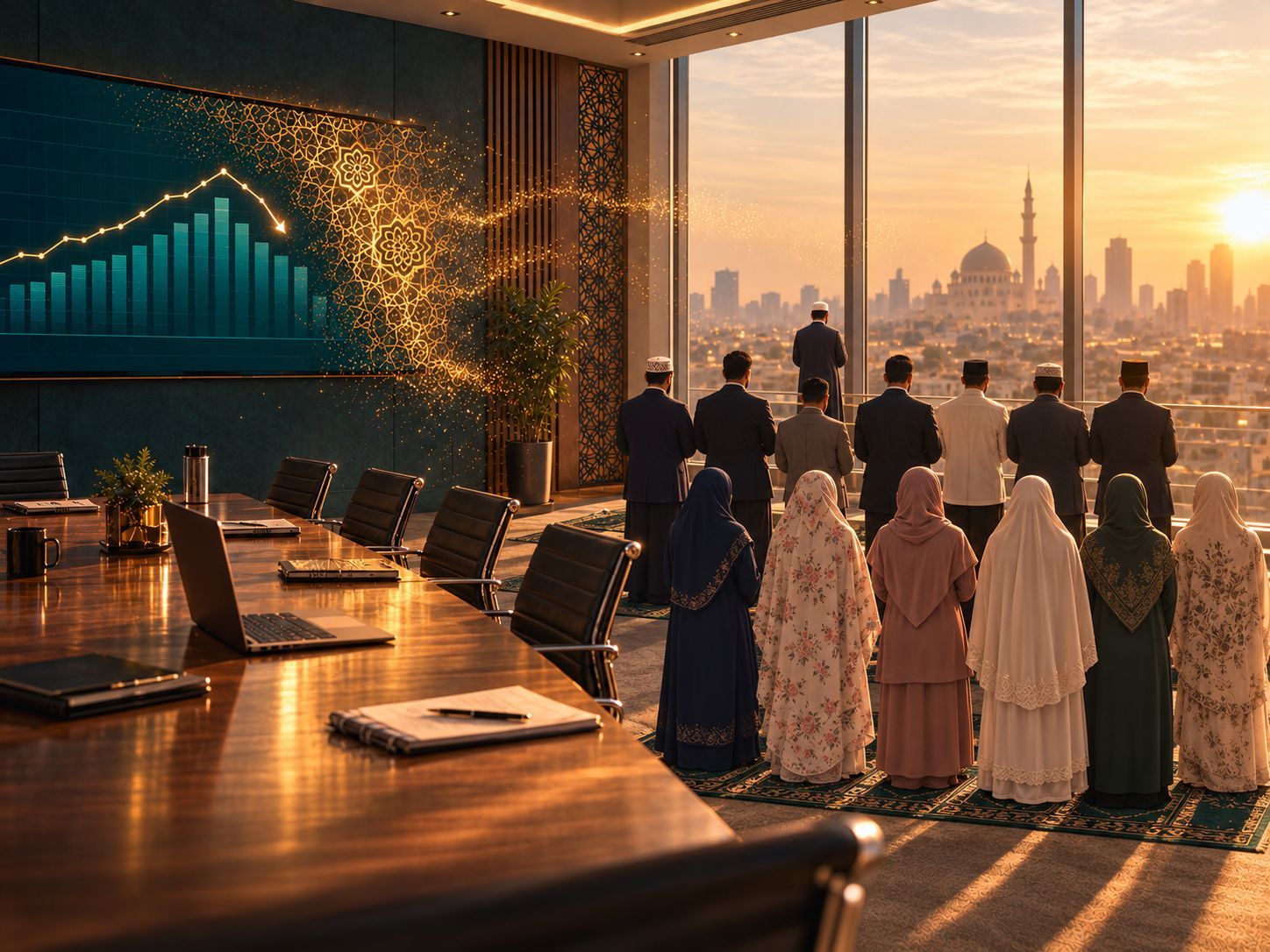
We tend to think of meetings as spaces where minds meet, however, what if we redefined meetings as spaces where souls meet? How can meetings be conduits of Barakah (Divine Goodness) for ourselves and organizations, and even a means of personal and team-wide spiritual development? In this article, we explore how we can approach meetings from a spiritual perspective and the impact this will have on the quality of our meetings.