TransformationWhy Allah Places You Where You Don’t Feel ReadyMohammed Faris·Rabiʻ I 27, 1448 AH·3 min
LeadershipManaging People as an Amanah: A Muslim Leader's Guide to Rethinking HRMohammed Faris·Rabiʻ I 4, 1448 AH·38 min
Company NewsProductive Muslim 1447H Annual Review: The Barakah of StabilityMohammed Faris·Dhuʻl-Hijjah 30, 1447 AH·5 min
Digital WellnessHow Islam Helps Us Think and Work in the Age of AIMohammed Faris and Waleed Kadous·Dhuʻl-Qiʻdah 17, 1447 AH·14 min
WorkplaceHow to Decolonize Our Muslim Corporate CulturesMohammed Faris·Dhuʻl-Qiʻdah 7, 1447 AH·19 min
Barakah CultureThe Weight of Time: Measuring Time Beyond the ClockMohammed Faris·Jumada II 25, 1447 AH·13 min
IntentionHow Getting a Chicken Roll Can Be an Act of WorshipMohammed Faris·Rabiʻ II 24, 1447 AH·3 min
Self DisciplineWhen You Just Don’t Feel Like It (Overcoming Laziness)Mohammed Faris·Safar 7, 1447 AH·4 min
WritingThe Sacred Art of Writing Books (& How AI Might Change It)Mohammed Faris·Muharram 21, 1447 AH·6 min
Intention🧗♂️ Why Self-Actualization Might Be Hurting Your SoulMohammed Faris·Muharram 12, 1447 AH·4 min
Productivity👁️ How Evil Eye & Envy Impact Your Productivity (And How to Protect Yourself)Mohammed Faris·Muharram 9, 1447 AH·7 min
FocusThe Summer Challenge: How Lowering Your Gaze Supercharges Your FocusMohammed Faris·Muharram 5, 1447 AH·5 min
Gohijri🌱 The Productive Muslim’s Guide to Planning Your New Year (#GoHijri)Mohammed Faris·Muharram 1, 1447 AH·7 min
Writing📚 Your Book is Waiting to be Written (And We’re Here to Help)Mohammed Faris·Dhuʻl-Hijjah 24, 1446 AH·4 min
LeadershipThe Case for Chief Murabbi Officers in OrganizationsMohammed Faris·Jumada II 29, 1445 AH·4 min
PlanningBeyond Urgent: Prioritizing Life Using The Intention-Impact MatrixMohammed Faris·Jumada II 9, 1445 AH·6 min
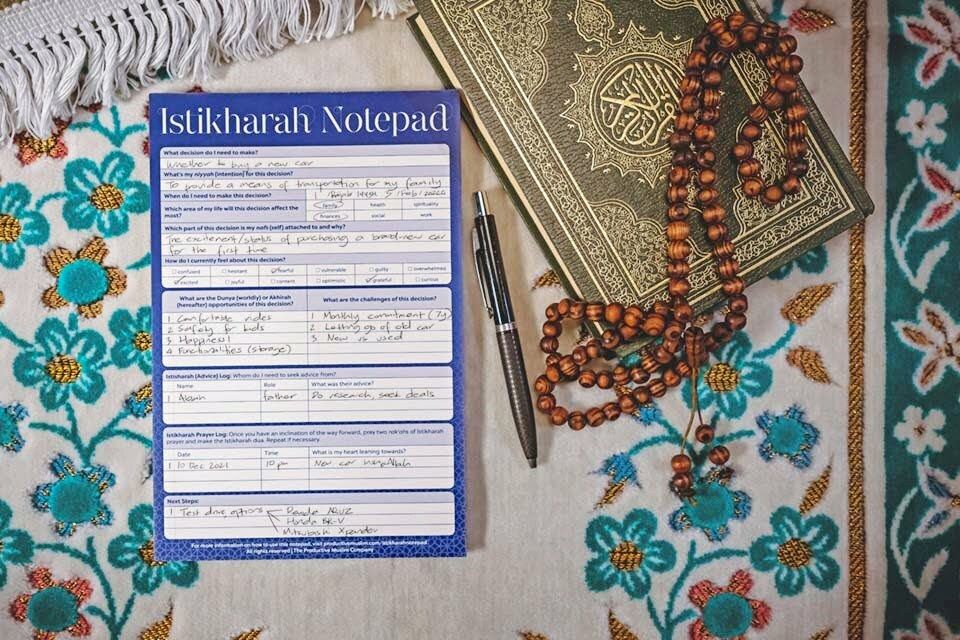
Decision MakingIstikharah Notepad: A Practical Tool to Decide With BarakahMohammed Faris·Rajab 3, 1443 AH·18 min
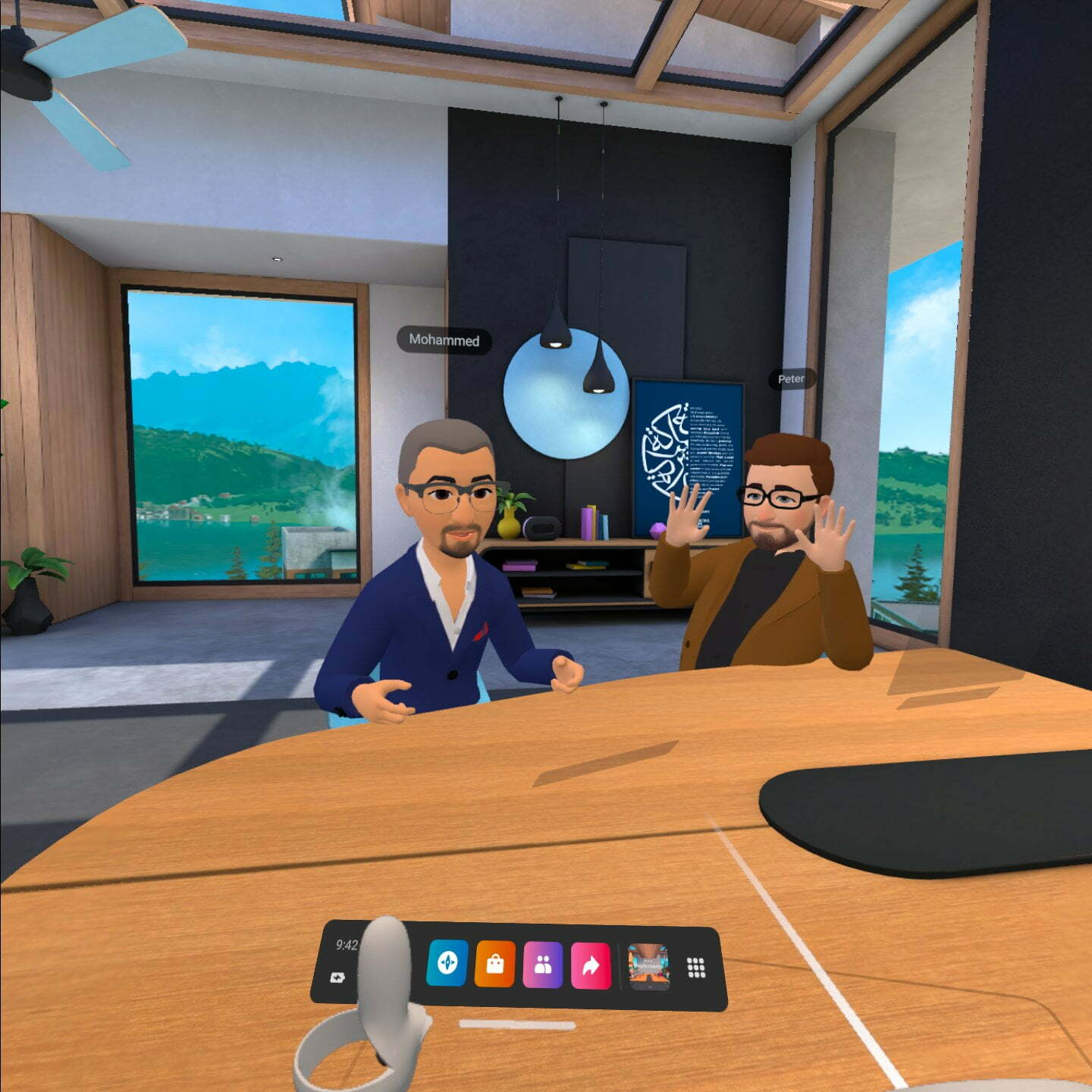
WorkplaceWhen Souls Meet: How To Fuse Barakah Into Your Meetings?Mohammed Faris·Rabiʻ I 29, 1443 AH·12 min
GohijriHow The Productive Muslim Company Went Hijri-First & How Your Company Can Do So TooMohammed Faris·Muharram 9, 1443 AH·5 min
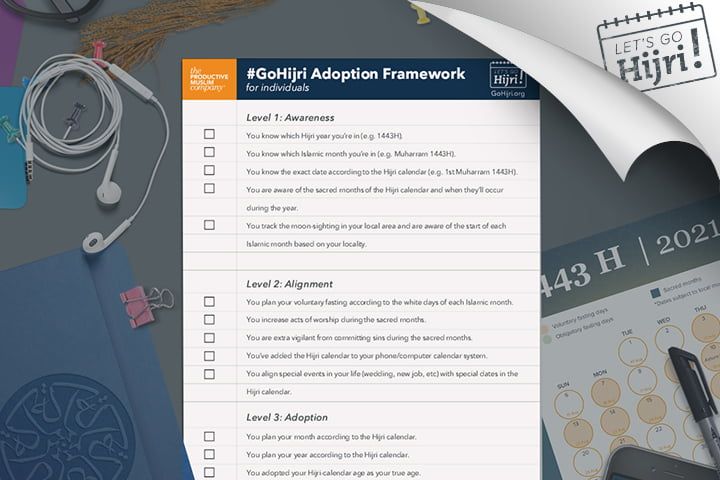
GohijriThe #GoHijri Adoption Framework: A Practical Tool to Living a Hijri-First LifestyleMohammed Faris·Muharram 8, 1443 AH·5 min
GohijriWhy The Islamic Calendar Matters More Than You ThinkMohammed Faris·Dhuʻl-Hijjah 7, 1441 AH·13 min
PodcastPodcast interview: Why corporations need to adopt faith-based personal development training?Mohammed Faris·Dhuʻl-Qiʻdah 10, 1441 AH·1 min
Self Improvement10 Reasons Why You Need to Join The Productive Muslim RetreatMohammed Faris·Rabiʻ II 21, 1441 AH·4 min
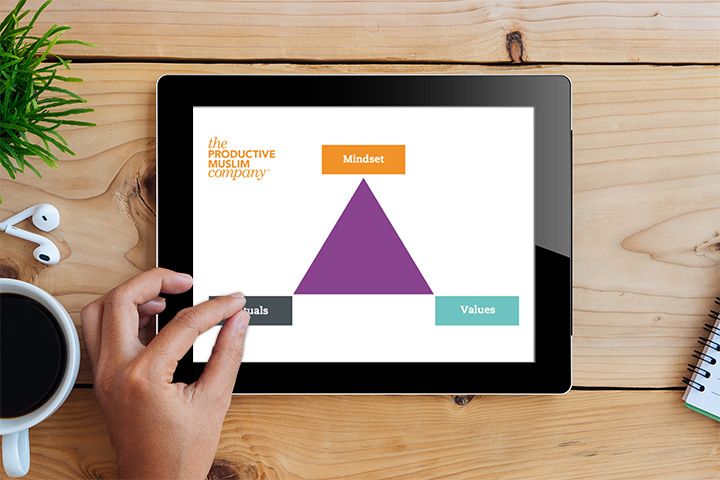
Barakah CultureThe Barakah Culture Cards: A Practical Tool to Cultivate Barakah Culture Mindsets, Values & RitualsMohammed Faris·Rabiʻ I 6, 1441 AH·5 min
Self ImprovementThe Productive Muslim South Africa Workshop & Book Tour (September 2019)Mohammed Faris·Dhuʻl-Hijjah 19, 1440 AH·1 min
Barakah CultureBarakah Culture vs. Hustle Culture: How to Win More Days Without Losing Your SoulMohammed Faris·Rabiʻ I 29, 1440 AH·26 min
VideoHow I Found The Much Needed Balance Between My Faith and Professional LifeMohammed Faris·Rabiʻ I 19, 1440 AH·3 min
Mental HealthWhy You Need to Take Your & Your Loved One’s Mental Health More SeriouslyMohammed Faris·Safar 6, 1440 AH·4 min
VideoProductive Muslim Retreat 2019: How to Reset Your Life & Find Your Better SelfMohammed Faris·Muharram 29, 1440 AH·4 min
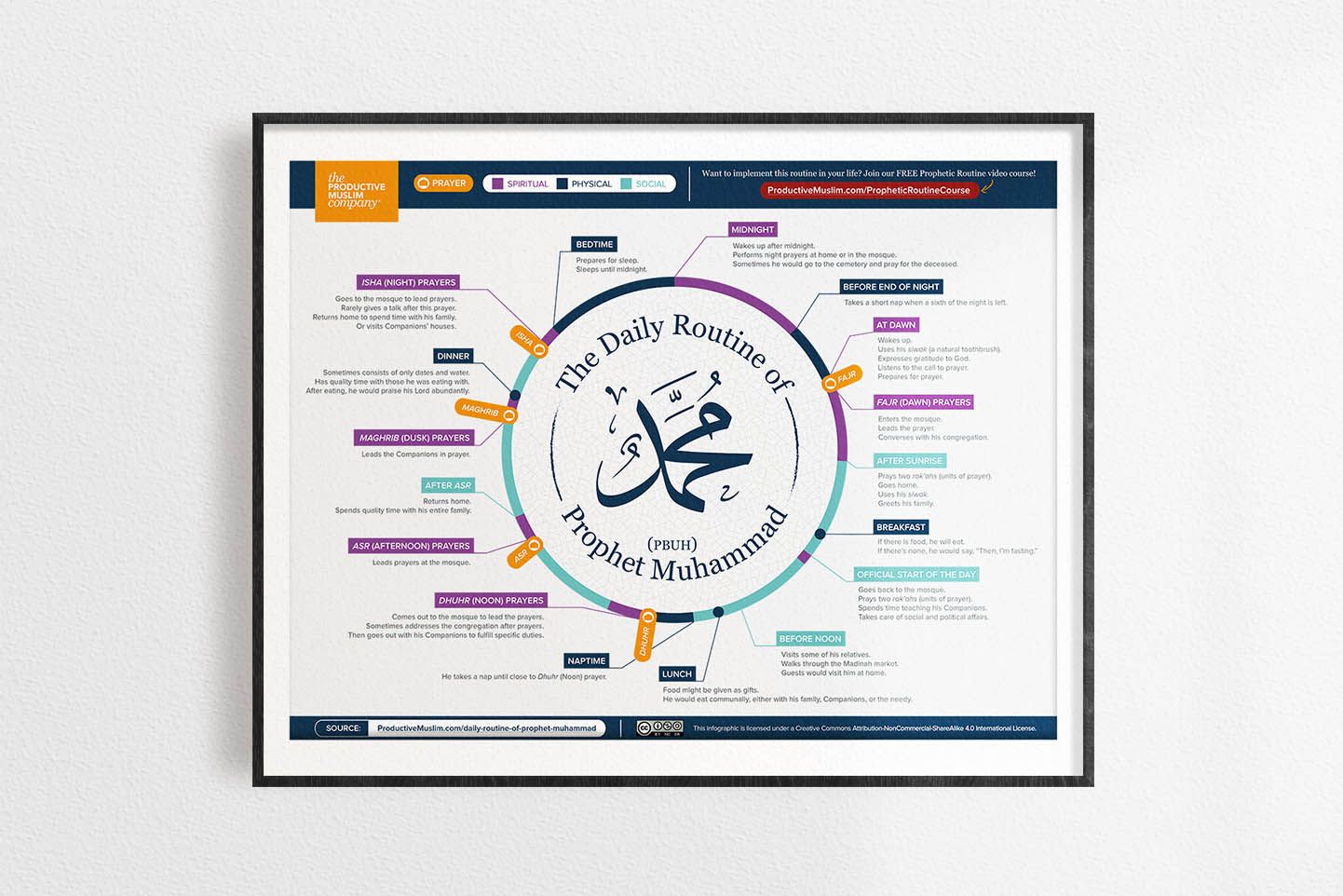
SunnahThe Daily Routine of The Most Influential Man in HistoryMohammed Faris·Dhuʻl-Qiʻdah 20, 1439 AH·25 min
Self ImprovementYour Life is a Battle: Here are 7 Ways to WinMohammed Faris·Dhuʻl-Qiʻdah 13, 1439 AH·3 min
InspirationGoodbye Abu Productive, Welcome Productive Muslim CompanyMohammed Faris·Dhuʻl-Qiʻdah 5, 1439 AH·6 min
Barakah CultureWhy We Need Barakah At Work and Where to Find ItMohammed Faris·Shawwal 26, 1439 AH·8 min
LegacyWhat I Learned from My Grandfather, Rubeya Abdullah Bin Faris, Who Just Left this WorldMohammed Faris·Shaʻban 18, 1439 AH·7 min
Leadership7 Surprising Tips about Leadership from the First Revelation of the Qur’anMohammed Faris·Jumada I 12, 1439 AH·4 min
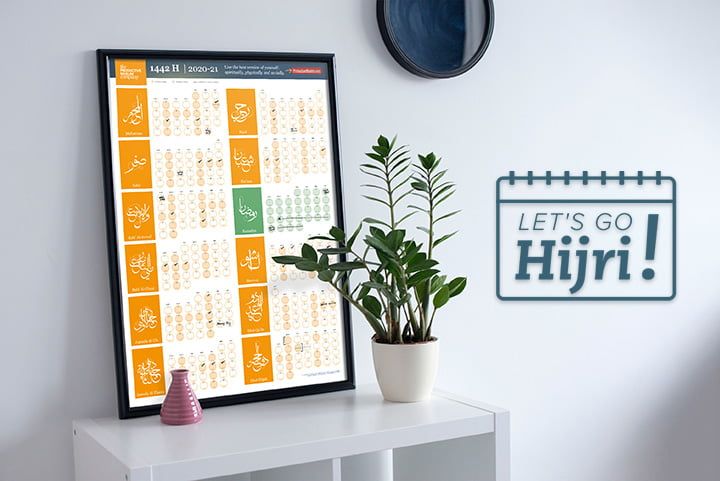
Planning[FREE Download] Get Your 2018/1439-40H Wall Calendar Today!Mohammed Faris·Rabiʻ II 16, 1439 AH·1 min
Morning RoutineHow I Consistently Wake Up 45 Minutes Before Fajr Adhan (By Allah’s Permission)Mohammed Faris·Rabiʻ I 29, 1439 AH·7 min
SalahHow Being Chronically Late for Salah Affects Your Productivity & What to Do About ItMohammed Faris·Rabiʻ I 24, 1439 AH·12 min
HajjThe Link Between Discomfort and Spirituality During HajjMohammed Faris·Dhuʻl-Hijjah 9, 1438 AH·4 min
Self ReflectionThe Power of Pause: Why We All Need Time to Refresh, Restart, and RefuelMohammed Faris·Jumada II 10, 1438 AH·6 min
CommunityProductiveMuslim East Africa Tour + Book Launch (February 2017)Mohammed Faris·Jumada I 2, 1438 AH·2 min
InspirationThe Best of ProductiveMuslim 2016 (+ Free Gift and Plans for 2017!)Mohammed Faris·Rabiʻ II 2, 1438 AH·7 min
Self ImprovementWhat I Learned From Interviewing 19 Muslim Experts About Islam and Personal DevelopmentMohammed Faris·Rabiʻ I 20, 1438 AH·6 min
Self ImprovementAnnouncing: The First Ever ProductiveMuslim® Summit, December 2016Mohammed Faris·Rabiʻ I 18, 1438 AH·6 min
InspirationAnnouncing: The ProductiveMuslim® Retreat, Sri Lanka, November 2016Mohammed Faris·Dhuʻl-Hijjah 21, 1437 AH·4 min
CommunicationLet’s Restore the Dignity of “In-sha-Allah” by Learning How to Say ‘No’Mohammed Faris·Dhuʻl-Hijjah 19, 1437 AH·8 min
LeadershipProfessional Barakah: How Qur’an Teaches Us to Hire Top TalentMohammed Faris·Dhuʻl-Qiʻdah 25, 1437 AH·5 min
Work Life BalanceMastering Work-Life Balance: 3 Eye-opening Lessons from Prophet Muhammad ﷺMohammed Faris·Rajab 29, 1437 AH·10 min
Ramadan Prep1-Day ProductiveRamadan Workshop – London, UK (+ Online LIVE Streaming)Mohammed Faris·Rajab 28, 1437 AH·1 min
Ramadan Prep“Ready, Set, Ramadan!” A 1-Day Productive Ramadan LIVE Workshop – Vancouver, CanadaMohammed Faris·Rajab 26, 1437 AH·1 min
Community“The Productive Muslim” International Photography CompetitionMohammed Faris·Jumada II 13, 1437 AH·7 min
ProductivityThe ProductiveMuslim Manifesto: Now In 8 Languages of the Ummah!Mohammed Faris·Jumada I 30, 1437 AH·3 min
Community1-Day ProductiveMuslim Workshop in Singapore: “Reliving the Sunnah of Itqan”Mohammed Faris·Jumada I 16, 1437 AH·1 min
CommunityWe’re Looking For Editors & A Community Manager Volunteer!Mohammed Faris·Jumada I 8, 1437 AH·5 min
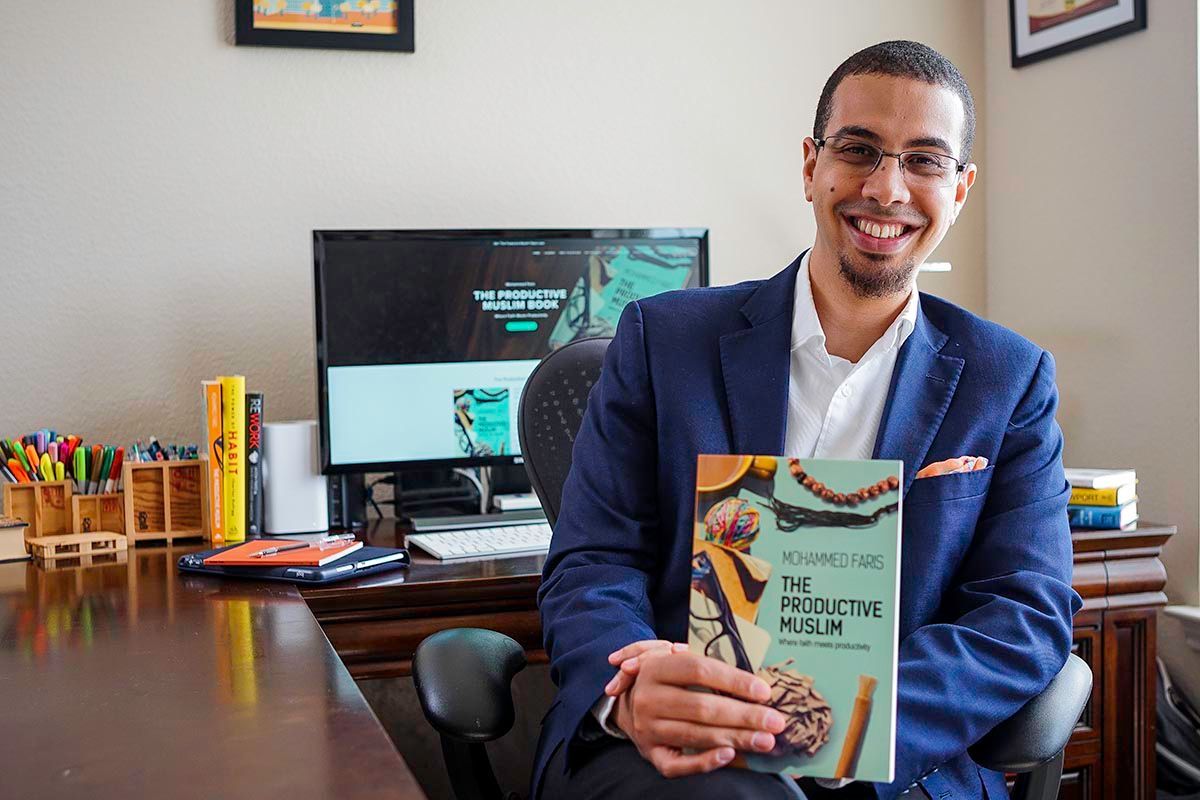
Book ReviewOUT NOW: The ProductiveMuslim Book – Where Faith Meets ProductivityMohammed Faris·Rabiʻ II 22, 1437 AH·3 min
ProductivityProductiveMuslim 1-Day London Workshop – 30th January 2016Mohammed Faris·Rabiʻ II 17, 1437 AH·1 min
CommunityTop 10 Achievements of ProductiveMuslim in 2015 (and Plans for 2016!)Mohammed Faris·Rabiʻ I 20, 1437 AH·6 min
VideoProductiveMuslim Animation: It’s NOT productive to text and drive!Mohammed Faris·Dhuʻl-Hijjah 6, 1436 AH·1 min
RamadanHow Nouman Ali Khan Spends His Ramadan: Exclusive Video Interview with ProductiveMuslimMohammed Faris·Shaʻban 23, 1436 AH·2 min
InterviewInterview with David Allen: the Guru of Getting Things DoneMohammed Faris·Muharram 23, 1436 AH·1 min
InterviewA Few Moments of Inspiration: An Interview with Dr.Walid FitaihiMohammed Faris·Dhuʻl-Qiʻdah 14, 1435 AH·2 min
Eid[ProductiveRamadan Online Tips]: Episode 28 – How to have a Productive EidMohammed Faris·Ramadan 28, 1435 AH·1 min
Sadaqah[ProductiveRamadan Online Tips]: Episode 27 – Last Appeal from ProductiveMuslimMohammed Faris·Ramadan 27, 1435 AH·1 min
Ramadan[ProductiveRamadan Online Tips]: Episode 26 – One Last PushMohammed Faris·Ramadan 26, 1435 AH·1 min
Spirituality[ProductiveRamadan Online Tips]: Episode 25 – Managing Emotions – Part 2: Letting GoMohammed Faris·Ramadan 25, 1435 AH·1 min
Anger Management[ProductiveRamadan Online Tips]: Episode 24 – Managing Emotions – Part 1: Holding backMohammed Faris·Ramadan 24, 1435 AH·1 min
Good Deeds[ProductiveRamadan Online Tips]: Episode 23 – The ONE Good DeedMohammed Faris·Ramadan 23, 1435 AH·1 min
Legacy[ProductiveRamadan Online Tips]: Episode 22 – Being Productive After DeathMohammed Faris·Ramadan 22, 1435 AH·1 min
Laylatul Qadr[ProductiveRamadan Online Tips]: Episode 21 – Productive Last 10 Nights for the Busy PersonMohammed Faris·Ramadan 21, 1435 AH·1 min
Seerah[ProductiveRamadan Online Tips]: Episode 20 – Productivity Lessons from Makkah ConquestMohammed Faris·Ramadan 20, 1435 AH·1 min
Laylatul Qadr[ProductiveRamadan Online Tips]: Episode 19 – Productive I’tikaafMohammed Faris·Ramadan 19, 1435 AH·1 min
Eid[ProductiveRamadan Online Tips]: Episode 18 – Done Your Eid Shopping?Mohammed Faris·Ramadan 18, 1435 AH·1 min
Seerah[ProductiveRamadan Online Tips]: Episode 17 – Productivity Lessons from the Battle of BadrMohammed Faris·Ramadan 17, 1435 AH·1 min
Ramadan[ProductiveRamadan Online Tips]: Episode 16 – Mid-Ramadan SlumpMohammed Faris·Ramadan 16, 1435 AH·1 min
Video[ProductiveRamadan Online Tips]: Episode 15 – Having a bad Ramadan day?Mohammed Faris·Ramadan 15, 1435 AH·1 min
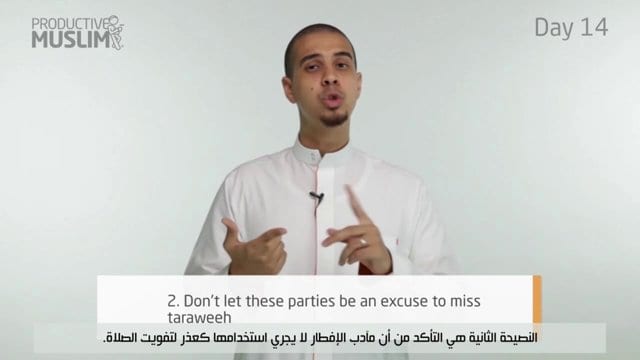
Video[ProductiveRamadan Online Tips]: Episode 14 – Productive Iftar PartiesMohammed Faris·Ramadan 14, 1435 AH·1 min
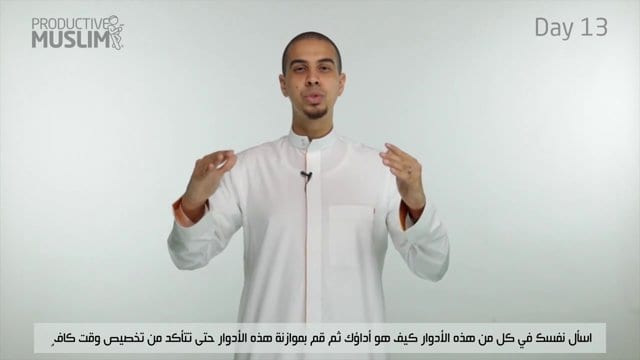
Video[ProductiveRamadan Online Tips]: Episode 13 – Social TimeMohammed Faris·Ramadan 13, 1435 AH·1 min
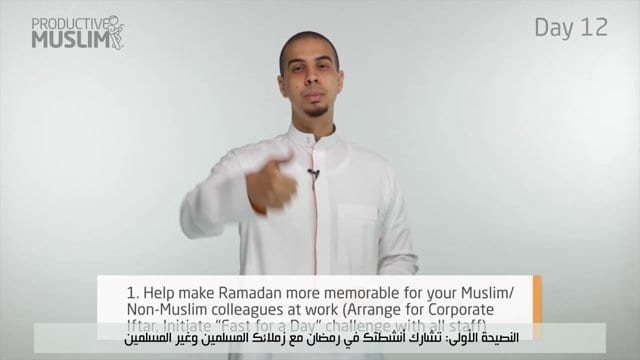
Video[ProductiveRamadan Online Tips]: Episode 12 – Social FocusMohammed Faris·Ramadan 12, 1435 AH·1 min
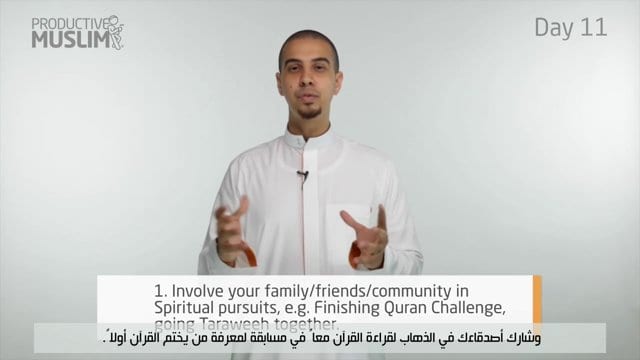
Video[ProductiveRamadan Online Tips]: Episode 11 – Social EnergyMohammed Faris·Ramadan 11, 1435 AH·1 min
Video[ProductiveRamadan Online Tips]: Episode 10 – Focus Management – Part 4: Focus during SalahMohammed Faris·Ramadan 10, 1435 AH·1 min
Video[ProductiveRamadan Online Tips]: Episode 9 – Focus Management – Part 3: Technology DietMohammed Faris·Ramadan 9, 1435 AH·1 min
Video[ProductiveRamadan Online Tips]: Episode 8 – Focus Management – Part 2: Mind FocusMohammed Faris·Ramadan 8, 1435 AH·1 min
Video[ProductiveRamadan Online Tips]: Episode 7 – Focus Management – Part 1: Spiritual FocusMohammed Faris·Ramadan 7, 1435 AH·1 min
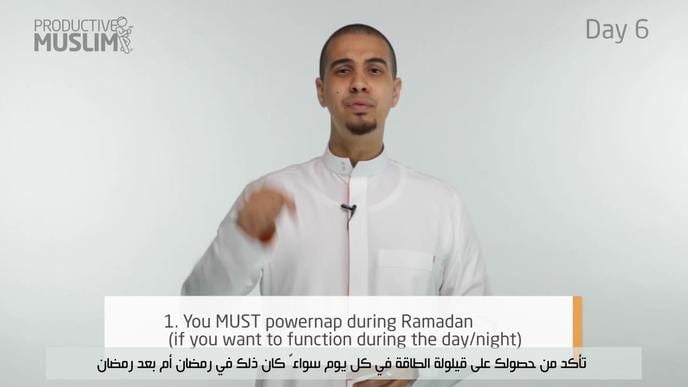
Video[ProductiveRamadan Online Tips]: Episode 6 – Sleep Management – Part 3: The Power of Power Naps During RamadanMohammed Faris·Ramadan 6, 1435 AH·1 min
Video[ProductiveRamadan Online Tips]: Episode 5 – Sleep Management during Ramadan – Part 2: Improve Quality of Sleep during RamadanMohammed Faris·Ramadan 5, 1435 AH·1 min
Video[ProductiveRamadan Online Tips]: Episode 4 – Sleep Management during Ramadan – Part 1: The Challenge (with Arabic Subtitles)Mohammed Faris·Ramadan 4, 1435 AH·1 min
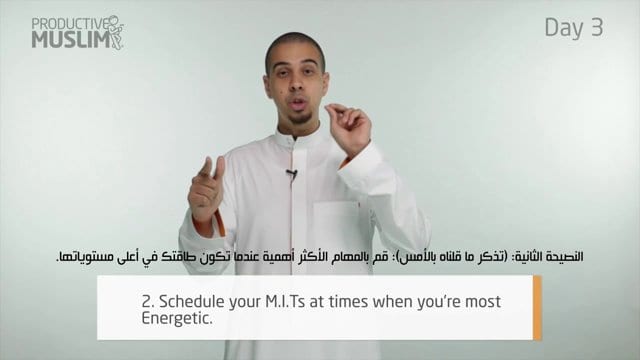
Ramadan[ProductiveRamadan Online Tips]: Episode 3 – Energy Management – Part 2Mohammed Faris·Ramadan 3, 1435 AH·1 min
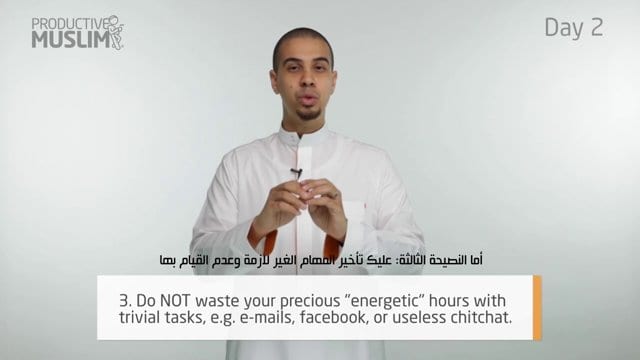
Ramadan[ProductiveRamadan Online Tips]: Episode 2 – Energy Management – Part 1Mohammed Faris·Ramadan 2, 1435 AH·1 min
Ramadan[ProductiveRamadan Online Tips]: Episode 1 – IntentionalityMohammed Faris·Ramadan 1, 1435 AH·1 min
Interview[Preparing for A Productive Ramadan]: Interview with Sr. Yasmin EssaMohammed Faris·Shaʻban 1, 1435 AH·3 min
Interview[Preparing for A Productive Ramadan]: Interview with Br. Thurein WinMohammed Faris·Rajab 28, 1435 AH·3 min
Interview[Preparing for A Productive Ramadan]: Interview with Sr. Lotifa BegumMohammed Faris·Rajab 26, 1435 AH·3 min
Interview[Preparing for A Productive Ramadan]: Interview with Br. Kareem ElSayedMohammed Faris·Rajab 23, 1435 AH·3 min
Infographic[Brain Teaser of the Month] Productivity Word SearchMohammed Faris·Jumada II 29, 1435 AH·1 min
VideoProductiveMuslimah Animation 1: Fight the Madness of Life with the Calmness of Salah!Mohammed Faris·Rabiʻ II 14, 1435 AH·1 min
Organization[Productive Troubleshooting] Managing Your Disorganized Computer DesktopMohammed Faris·Rabiʻ I 12, 1435 AH·2 min
Productivity[SPECIAL OFFER] 50% Off 6 Most Popular Productivity ClassesMohammed Faris·Safar 20, 1435 AH·1 min
CommunityYou want to help the Ummah, we’ll provide you with the opportunity.Mohammed Faris·Safar 5, 1435 AH·10 min
SpiritualitySpirituality and Productivity at Work – Online ClassesMohammed Faris·Muharram 18, 1435 AH·1 min
InterviewHolistic Health for Productivity: Interview with Hakim ArchulettaMohammed Faris·Muharram 1, 1435 AH·1 min
InspirationDr Abdul Rahman Al-Sumait: A Legendary Productive MuslimMohammed Faris·Shawwal 22, 1434 AH·7 min
Family9 Practical Tips to Rebuild Our Ties of Kinship This RamadanMohammed Faris·Ramadan 25, 1434 AH·6 min
VideoProductive Ramadan Tip 20: If this was your last Ramadan…Mohammed Faris·Ramadan 24, 1434 AH·1 min
VideoProductive Ramadan Tip 19: Struggling in these last few nights?Mohammed Faris·Ramadan 22, 1434 AH·1 min
VideoProductive Ramadan Tip 17: How to make the most of the last 10 nightsMohammed Faris·Ramadan 20, 1434 AH·1 min
Interview[Productivity Ninja] Interview: Reflecting on the Fasting ExperimentMohammed Faris·Ramadan 16, 1434 AH·1 min
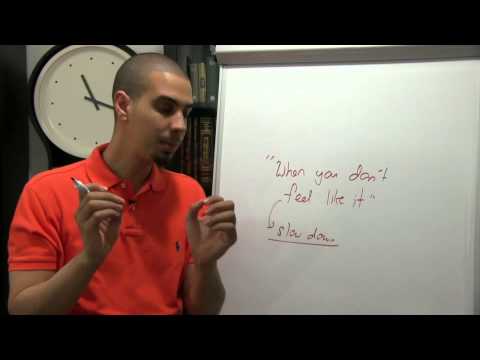
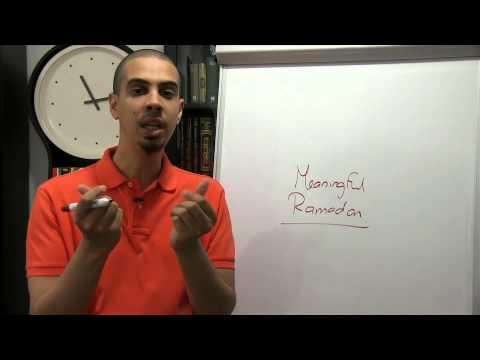
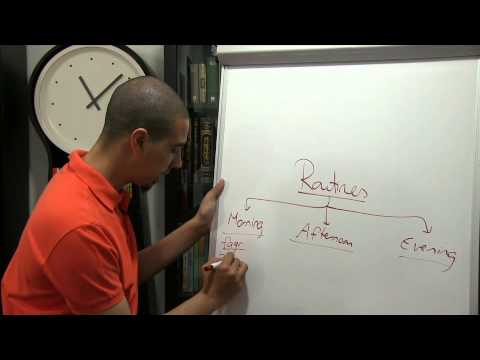
VideoProductive Ramadan Tip 8: How to have a meaningful RamadanMohammed Faris·Ramadan 10, 1434 AH·1 min
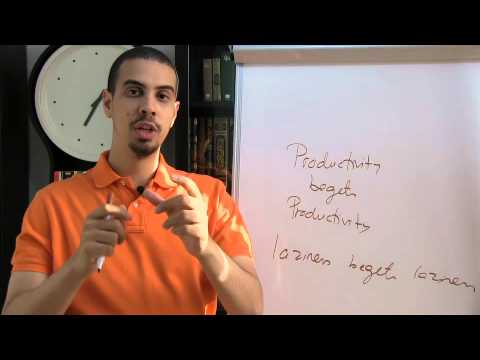
VideoProductive Ramadan Tip 6: Productivity Begets ProductivityMohammed Faris·Ramadan 8, 1434 AH·1 min
RamadanProductive Ramadan Tip 1: Will you be Person A or Person B?Mohammed Faris·Ramadan 2, 1434 AH·1 min
InterviewInterview with Shaykh Muhammad AlShareef: How to Have a Productive UmrahMohammed Faris·Shaʻban 27, 1434 AH·1 min
CommunityGuilty of Spending Too Much Time on Facebook? Spend it Productively with Productive Muslim!Mohammed Faris·Rajab 11, 1434 AH·4 min
Interview[Interview] Nourish Your Way to a Productive LifestyleMohammed Faris·Jumada I 30, 1434 AH·1 min
Interview[Productive Professions] Interview with a Doctoral Candidate in Computer ScienceMohammed Faris·Jumada I 16, 1434 AH·11 min
Interview[Interview with Super Productive Muslim] Shaykh Mirza Yawar BaigMohammed Faris·Jumada I 4, 1434 AH·1 min
CommunityJoin the Research and Content Team to Work with a Dynamic Group of Volunteers!Mohammed Faris·Rabiʻ II 22, 1434 AH·5 min
Productivity ToolsProductive Muslim Certified LifeBooks for 2013 – Order NOW!Mohammed Faris·Safar 24, 1434 AH·1 min
Productivity ToolsProductive Muslim’s Best Sale of the Year – Order Now!Mohammed Faris·Safar 7, 1434 AH·1 min
Productivity ToolsProductive Muslim Certified Diaries: Siratt Lifebooks for 2013!Mohammed Faris·Muharram 29, 1434 AH·2 min
HabitsHow to Develop Productive Habits – Online Class With Abu ProductiveMohammed Faris·Dhuʻl-Hijjah 28, 1433 AH·1 min
InterviewInterview with Productivity Author: Graham AllcottMohammed Faris·Dhuʻl-Hijjah 23, 1433 AH·1 min
InterviewInterview with Productivity Author: Peter BregmanMohammed Faris·Dhuʻl-Qiʻdah 17, 1433 AH·1 min
InterviewFEATURED: Interview with Productive Muslim: Dr Hany El-BannaMohammed Faris·Shawwal 19, 1433 AH·1 min
Fasting[Ramadan Series] Creating a Habit of Fasting After RamadanMohammed Faris·Shawwal 1, 1433 AH·6 min
Habits[Ramadan Series] 7 Spiritual Productivity Habits to Develop this RamadanMohammed Faris·Ramadan 23, 1433 AH·3 min
Motivation[Ramadan Series] The Last Sprint – Ways to Keep Yourself MotivatedMohammed Faris·Ramadan 22, 1433 AH·3 min
Ramadan[Ramadan Interview Series] How to be Productive at Work During RamadanMohammed Faris·Ramadan 20, 1433 AH·1 min
Ramadan[Ramadan Series] How to Organise a Productive Iftar Party!Mohammed Faris·Ramadan 19, 1433 AH·4 min
Family[Ramadan Series] 9 Practical Tips to Rebuild our Ties of Kinship this RamadanMohammed Faris·Ramadan 18, 1433 AH·6 min
Ramadan[Ramadan Series] Six Lessons of Productivity from the Battle of BadrMohammed Faris·Ramadan 17, 1433 AH·4 min
Ramadan[Ramadan Interview Series] How Can Busy Moms Manage Their Time During Ramadan?Mohammed Faris·Ramadan 16, 1433 AH·1 min
Ramadan[Ramadan Interview Series] Can You Stay Fit During Ramadan?Mohammed Faris·Ramadan 15, 1433 AH·1 min
Interview[Ramadan Interview Series] How to Be Productive With Your Family During RamadanMohammed Faris·Ramadan 13, 1433 AH·28 min
Ramadan[Ramadan Series] Top 10 ProductiveRamadan Tips – if you read nothing else!Mohammed Faris·Ramadan 7, 1433 AH·2 min
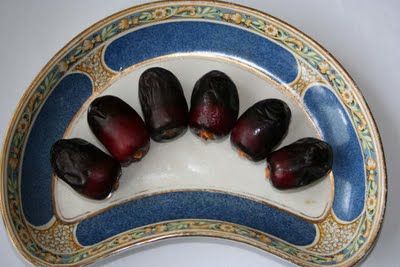
Ramadan[Ramadan Series] Master Your Sleep This Ramadan: Part 1Mohammed Faris·Ramadan 5, 1433 AH·6 min
Ramadan[Ramadan Series] Master Your Sleep This Ramadan: Part 2Mohammed Faris·Ramadan 5, 1433 AH·4 min
Goal SettingWorkshop Review: Timelenders Strategic Vision WorkshopMohammed Faris·Shaʻban 2, 1433 AH·3 min
ProductivityProductiveMuslim’s Tips to Survive a 12+ Hour FlightMohammed Faris·Rajab 23, 1433 AH·3 min
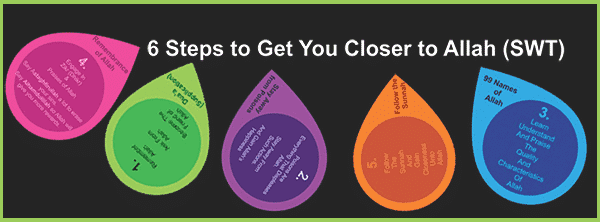
Infographic6 Steps to Get You Closer to Allah (SWT) – InfographicMohammed Faris·Rajab 20, 1433 AH·1 min
Goal SettingCoaching Call with Abu Productive – How to Develop Life GoalsMohammed Faris·Jumada II 15, 1433 AH·1 min
CareerLead the Content Team at ProductiveMuslim.com! Hiring Now!Mohammed Faris·Jumada I 9, 1433 AH·2 min
Productivity ToolsThe All-NEW Siratt Lifebooks: ProductiveMuslim Certified Diaries!Mohammed Faris·Rabiʻ II 3, 1433 AH·2 min
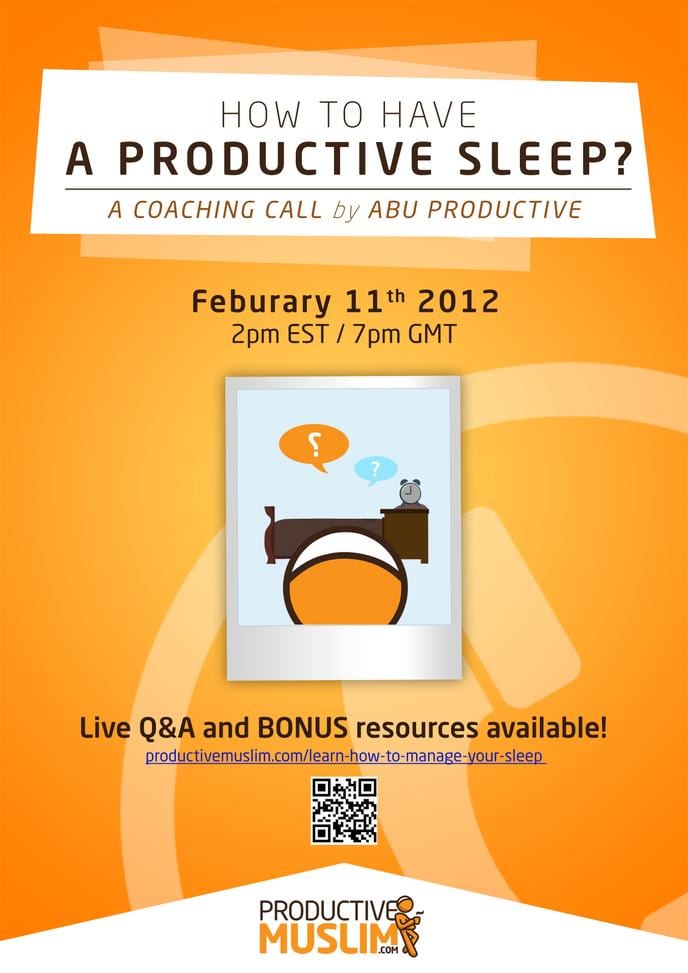
SleepHow to have a Productive Sleep? Coaching Call 7pm GMT / 2pm EST 11th Feb 2012Mohammed Faris·Rabiʻ I 15, 1433 AH·1 min
PlanningThe Year in Review & Plans for Next Year InshaAllah!Mohammed Faris·Dhuʻl-Hijjah 30, 1432 AH·2 min
Goal SettingIntroducing The Ultimate ProductiveMuslim Goal PlannerMohammed Faris·Dhuʻl-Hijjah 26, 1432 AH·3 min
Video"Can Religion Teach Us Productivity?" – Abu Productive @TEDxArabia 2011Mohammed Faris·Dhuʻl-Qiʻdah 24, 1432 AH·1 min
AnimationProductiveRamadan Animation 16 – No Good Deed is a Small Deed!Mohammed Faris·Ramadan 29, 1432 AH·1 min
AnimationProductiveRamadan Animation 15 – Share NOT Hoard in Ramadan!Mohammed Faris·Ramadan 27, 1432 AH·1 min
Ramadan*Press Release* Productivity in Ramadan: 2011 Survey Based ReportMohammed Faris·Ramadan 26, 1432 AH·3 min
AnimationProductiveRamadan Animation 14 – Don’t Break Your Fast!!Mohammed Faris·Ramadan 25, 1432 AH·1 min
AnimationProductiveRamadan Animation 13 – Worship NOT Shop in Last 10 Days!!Mohammed Faris·Ramadan 23, 1432 AH·1 min
AnimationProductiveRamadan Animation 12 – Stay Consistent During Ramadan!Mohammed Faris·Ramadan 21, 1432 AH·1 min
AnimationProductiveRamadan Animation 11 – Ramadan is the Month of Worship NOT Sleep!Mohammed Faris·Ramadan 19, 1432 AH·1 min
AnimationProductiveRamadan Animation 10 – Ramadan is NOT a Month of Wrestling Matches!!Mohammed Faris·Ramadan 18, 1432 AH·1 min
AnimationProductiveRamadan Animation 9 – Multiply Your Fasts!Mohammed Faris·Ramadan 14, 1432 AH·1 min
AnimationProductive Ramadan Animation – Energize with Suhoor & Stay Positive!Mohammed Faris·Shaʻban 14, 1432 AH·1 min
InspirationMemories from the Journey to Kilimanjaro: Discover Your Human PotentialMohammed Faris·Shaʻban 9, 1432 AH·7 min
SadaqahWhy I’m supporting Maternal Health Clinics in Afghanistan?Mohammed Faris·Jumada I 7, 1432 AH·3 min
Inspiration7 Reasons why I’m climbing Mt.Kilimanjaro this summerMohammed Faris·Rabiʻ II 29, 1432 AH·1 min
AnimationProductiveMuslim Animation -Stay out of Debt, Stay ProductiveMohammed Faris·Rabiʻ II 1, 1432 AH·1 min
OrganizationOrganizing Your Daily Workflow: Tasks vs. ProjectsMohammed Faris·Rabiʻ I 29, 1432 AH·5 min
OrganizationFeature Article: The Ultimate Technique To Getting Organized And Staying that Way!Mohammed Faris·Rabiʻ I 22, 1432 AH·4 min
Company NewsEver wished you were leading a Productive lifestyle?Mohammed Faris·Rabiʻ I 9, 1432 AH·4 min
QuranBeating Procrastination Series: Keeping a Daily Relationship with the QuranMohammed Faris·Rabiʻ I 5, 1432 AH·8 min
AnimationProductiveMuslim Animation Series – Purify Your Gaze & Stay ProductiveMohammed Faris·Safar 26, 1432 AH·1 min
FamilyPrinciples of Productivity Series: Prioritise Your ParentsMohammed Faris·Safar 10, 1432 AH·5 min
Productivity ToolsOutsource your Tasks: Guide to Virtual Assistants SeriesMohammed Faris·Muharram 25, 1432 AH·3 min
App Review5 iPhone Apps ProductiveMuslim cannot live without!Mohammed Faris·Muharram 17, 1432 AH·2 min
Time ManagementInvesting our time (Our life’s most precious assets) Part 2 of 2Mohammed Faris·Dhuʻl-Hijjah 26, 1431 AH·7 min
Time ManagementInvesting our time (Our life’s most precious assets) Part 1 of 2Mohammed Faris·Dhuʻl-Hijjah 25, 1431 AH·6 min
Time ManagementAnalyze your time — Your key to productivityMohammed Faris·Dhuʻl-Hijjah 17, 1431 AH·3 min
InterviewInterview with Productive Muslim: Sheikh Yasir QadhiMohammed Faris·Dhuʻl-Hijjah 1, 1431 AH·24 min
PodcastWeekly Naseeha – Episode 16: Reading…ProductiveMuslim Style!Mohammed Faris·Rabiʻ II 4, 1431 AH·1 min
InterviewInterview with a SUPER ProductiveMuslim: Sheikh Muhammad AlshareefMohammed Faris·Rabiʻ I 29, 1431 AH·1 min
TazkiyahCleanliness and Productivity – Part 2: Spiritual HygieneMohammed Faris·Rabiʻ I 29, 1431 AH·4 min
PodcastWeekly Naseeha – Episode 13: Starting small..growing BIGMohammed Faris·Rabiʻ I 11, 1431 AH·1 min
VideoThe FIKS.Org Jumuah Khutba: How to become a ProductiveMuslim.Mohammed Faris·Safar 18, 1431 AH·1 min
InterviewInterview with a SUPER ProductiveMuslim: Sheikh Tawfique ChowdhuryMohammed Faris·Safar 17, 1431 AH·33 min
WorkplaceTop 10 tips for a Muslim in an open office environmentMohammed Faris·Dhuʻl-Qiʻdah 3, 1429 AH·6 min







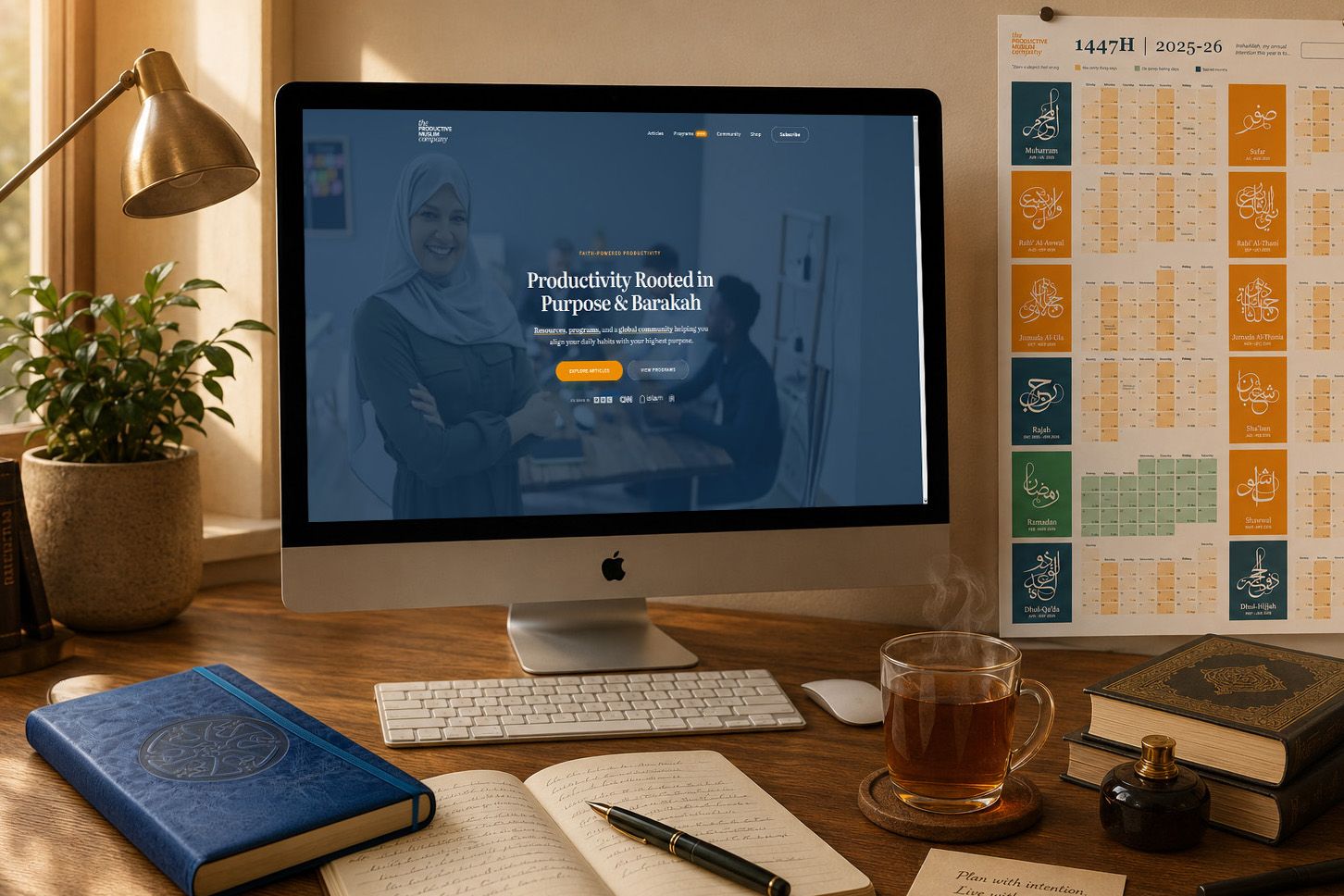


























![[Amazing Success Story] How The Masterclass Helped This Dentist Balance Faith, Work and Family Life | ProductiveMuslim](https://cdn.sanity.io/images/2sxb14me/production/074de82eb46c9a4c5c276474ed88bb2fcc272973-1280x854.jpg)











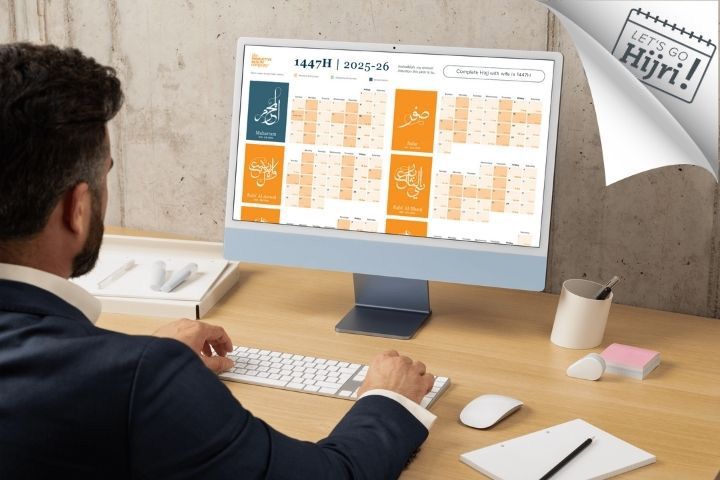
![[FREE Download] Get Your 2018/1439-40H Wall Calendar Today!](https://cdn.sanity.io/images/2sxb14me/production/3688729bb99d60250856c864b3660111f2ee65cc-768x464.jpg)











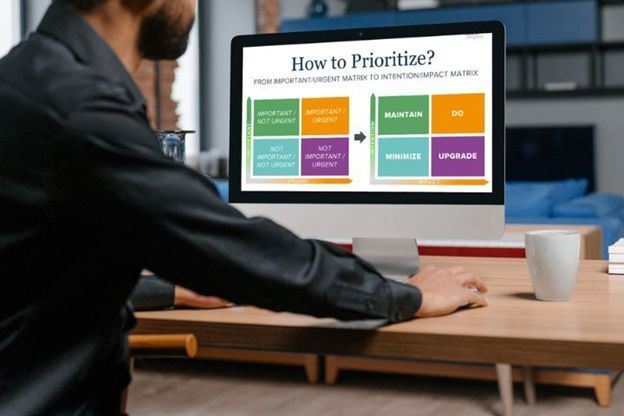
![MasteringWork LifeBalance:Eye openingLessonsfromProphetMuhammad[saw]|ProductiveMuslim](https://cdn.sanity.io/images/2sxb14me/production/a1772a7f0c58eacd0a9dae2d143de951045786ab-600x450.jpg)





















![[Preparing for A Productive Ramadan]: Interview with Sr. Yasmin Essa](https://cdn.sanity.io/images/2sxb14me/production/6b74b327fa7dc41931162248f3fcce5960fee9f8-600x398.jpg)
![[Preparing for A Productive Ramadan]: Interview with Br. Thurein Win](https://cdn.sanity.io/images/2sxb14me/production/dc04e3eb9afc101801531bc602c7f6faa4373fcb-300x300.jpg)
![[Preparing for A Productive Ramadan]: Interview with Sr. Lotifa Begum](https://cdn.sanity.io/images/2sxb14me/production/9444cea5f991c9ac3a8e3737e1535a7f1788c95d-200x280.png)
![[Preparing for A Productive Ramadan]: Interview with Br. Kareem ElSayed](https://cdn.sanity.io/images/2sxb14me/production/6686db6c2619e946e5ef60bdd105ac7495c23cd3-300x267.png)

![[Productive Troubleshooting] Managing Your Disorganized Computer Desktop](https://cdn.sanity.io/images/2sxb14me/production/aecb82c1962020b434fa8f8ea5e0aa4282ebce39-600x337.png)






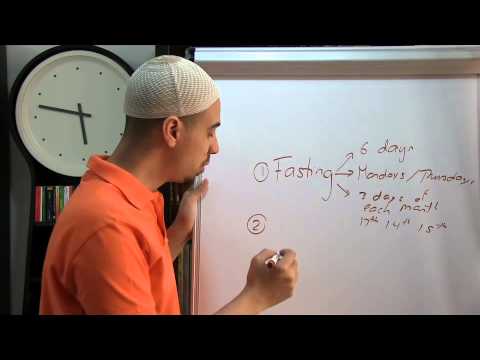

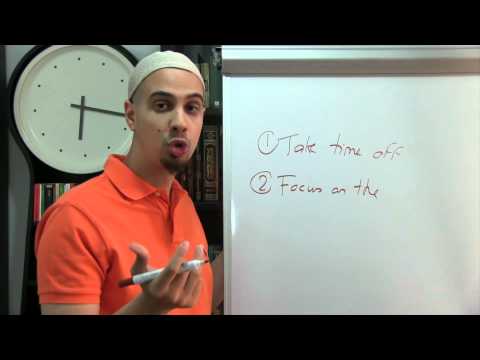
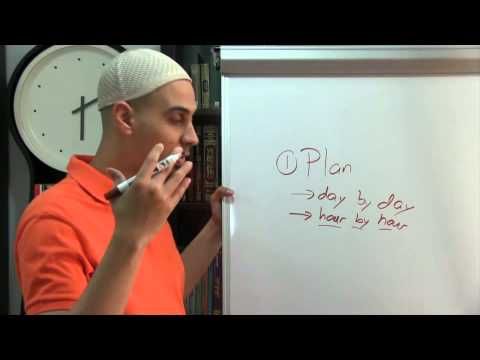
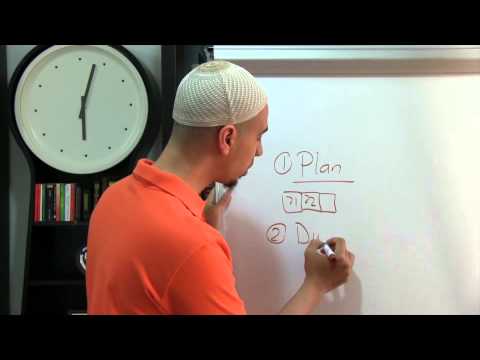
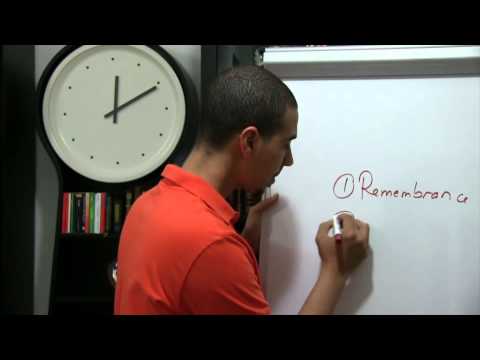
![[Productivity Ninja] Interview: Reflecting on the Fasting Experiment](https://cdn.sanity.io/images/2sxb14me/production/5c561b847e4e3ffefb0e136dc89ba140e5b4a477-688x137.png)

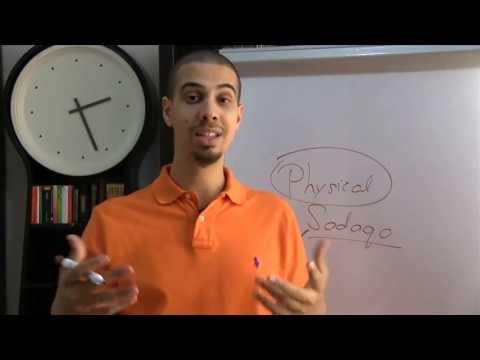
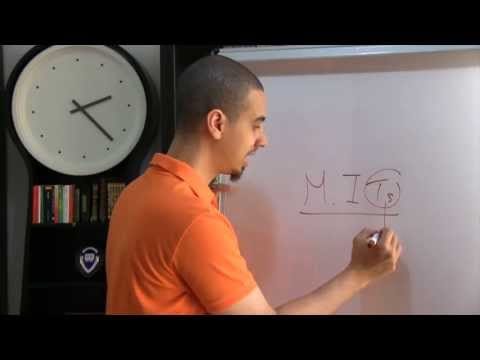



![[Interview] Nourish Your Way to a Productive Lifestyle](https://cdn.sanity.io/images/2sxb14me/production/7214303cff021a0d4c95b0843af9f4e81ff95a02-300x111.jpg)
![[Interview with Author] Maryam Mehded Sinclair](https://cdn.sanity.io/images/2sxb14me/production/c2a029979d3898dc39b9082b371f5b17dce934a2-195x300.jpg)
![[Productive Professions] Interview with a Doctoral Candidate in Computer Science](https://cdn.sanity.io/images/2sxb14me/production/a112eaa59f0ab7478cc4a24b7a996e25a6ebd85d-218x205.jpg)
![[Interview with Super Productive Muslim] Shaykh Mirza Yawar Baig](https://cdn.sanity.io/images/2sxb14me/production/0d45526d8b0907eda28133d353f60841bd2a8396-259x194.jpg)






![[Closed] We’re Hiring!](https://cdn.sanity.io/images/2sxb14me/production/d239ed4b54e52c6f3ee260678acdfc43bfd5547a-300x232.jpg)




![[Ramadan Series] Creating a Habit of Fasting After Ramadan](https://cdn.sanity.io/images/2sxb14me/production/2cc324cb84dd7d9d973d732173cbfc51145f15d2-300x200.png)
![[Ramadan Series] 10 Easy Tips to a Productive Eid!](https://cdn.sanity.io/images/2sxb14me/production/893c5a9c8010b8ec5e0edcdf3538e9b88484a374-460x276.jpg)
![[Ramadan Series] 5 Ways to Give ‘Physical’ Sadaqah](https://cdn.sanity.io/images/2sxb14me/production/4b53f35da4f641ecb90258f81983cbe9855a1769-300x199.jpg)
![[Ramadan Series] The Last Sprint – Ways to Keep Yourself Motivated](https://cdn.sanity.io/images/2sxb14me/production/cc94076691f59b46d104e4d722f468884fdd2862-300x225.jpg)
![[Ramadan Series] What to Pack for I’tikaaf?](https://cdn.sanity.io/images/2sxb14me/production/c7417ae94af2243b5cdcb1c627a9df2eb1b89def-300x226.jpg)
![[Ramadan Interview Series] How to be Productive at Work During Ramadan](https://cdn.sanity.io/images/2sxb14me/production/17810a99de17f045e0bb2597e3ac59cd369c1b19-300x99.png)
![[Ramadan Series] How to Organise a Productive Iftar Party!](https://cdn.sanity.io/images/2sxb14me/production/65e7e99af5004fc5ef3b7290ddb2bbfcfb358fde-720x480.jpg)
![[Ramadan Series] 9 Practical Tips to Rebuild our Ties of Kinship this Ramadan](https://cdn.sanity.io/images/2sxb14me/production/668576a0334fe88ab2128527641e226ea3b718af-380x252.jpg)
![[Ramadan Series] Six Lessons of Productivity from the Battle of Badr](https://cdn.sanity.io/images/2sxb14me/production/f3c31b56b3e0e3b0def0188f6f28c66302431eda-300x183.jpg)
![[Ramadan Interview Series] How Can Busy Moms Manage Their Time During Ramadan?](https://cdn.sanity.io/images/2sxb14me/production/8c19755c9c76c8e869d3a635e2b86f6e32f5489d-300x200.jpg)
![[Ramadan Interview Series] Can You Stay Fit During Ramadan?](https://cdn.sanity.io/images/2sxb14me/production/1602481d01377cf02014e4688c0b0db0871042e0-300x200.jpg)
![[Ramadan Interview Series] How to Be Productive With Your Family During Ramadan](https://cdn.sanity.io/images/2sxb14me/production/eccb4886e87113c88626e9b851de18d0c7bce2a5-720x480.jpg)
![[Ramadan Series] Top 10 ProductiveRamadan Tips – if you read nothing else!](https://cdn.sanity.io/images/2sxb14me/production/d3a5f2d7fc4787d8d4c0445dee43522c752f5a7c-1200x800.jpg)


![[Ramadan Series] Master Your Sleep This Ramadan: Part 1](https://cdn.sanity.io/images/2sxb14me/production/ef1f13f4afd7fa849cb17ab4262a03004b8846c7-216x300.jpg)
![[Ramadan Series] Master Your Sleep This Ramadan: Part 2](https://cdn.sanity.io/images/2sxb14me/production/81d708d134008394780da50b500d786f19f1c2b5-1200x800.jpg)