

A sample Khutba (Friday Sermon) that Khateebs around the world can use to emphasize the importance of adopting the Hijri calendar for Muslims. It highlights key points that Khateebs can elaborate on and customize according to the local context. Note: The standard openings and closings of a Khutba are not included, assuming that Khateebs are familiar with these elements.
Read article
[Inside The Therapist’s Office 2 – Ep 6] The Whole Story
Six months earlier… “SURPRISEEEEEEEEE” Everyone yelled when Zahra, the bride-to-be walked in. Salma had invited all the girls to celebrate her best friend Supa’s engagement to Ali. “Oh my God you know those irritating people who flutter their eye lashes and say ‘I’m so blessed’? Well, I’m one of them now.” Supa giggled. “I
Read article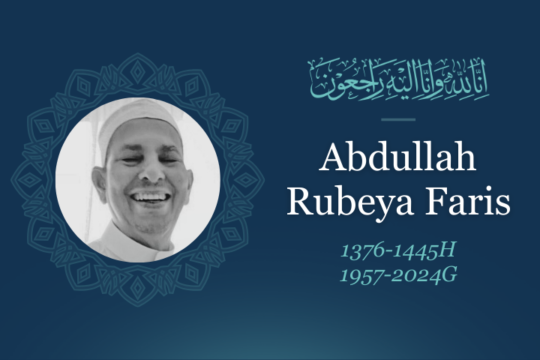
Lessons from a Dying Parent
To Allah belongs what He takes, and to Him belongs what He gives, and everything has its time.
When someone dies, we often reflect on their legacy and the life lessons they parted with us. And alhamdulillah, I learned so much from my dad – especially his mannerisms and kind conduct with people. However, in this article, I wanted to reflect on his death. I learned so much in this last year from him and the dying process that I want to capture these lessons firstly for myself and my family and secondly impart beneficial knowledge to any child or caregiver as they care for a dying parent, spouse, relative, or friend:
Read article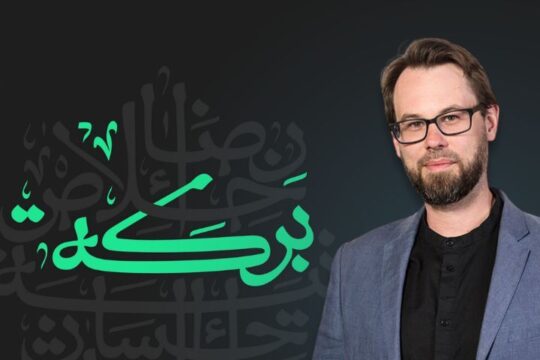
Nurturing Barakah in our Creative & Entrepreneurial Journey with Peter Gould
How might we, as modern-day designers, entrepreneurs, and professionals, reconcile the deep understanding and spiritual practice of our creative predecessors with our hyper-digital, Hustle Culture lives?
Read article
The Case for Chief Murabbi Officers in Organizations
The Arabic word “Murabbi” carries layers of meaning – at its core, a Murabbi is one who nurtures souls. This role is often viewed as belonging in formal educational contexts like schools and madrasahs. However, the essence of a Murabbi is someone who oversees the spiritual and emotional development and care of others. In some cultures, Murabbi is referred to an elder person, someone who is wise (age and experience of life), and who is respected, and is invested in nurturing souls through spiritual and emotional intelligence.
Read article
Beyond Urgent: Prioritizing Life Using The Intention-Impact Matrix
The intention-impact matrix is a conceptual tool we’ve developed at The Productive Muslim Company to help individuals align their tasks and actions with long-term impact and underlying intention. This is particularly aligned with our Barakah Culture approach to productivity.
Read article