
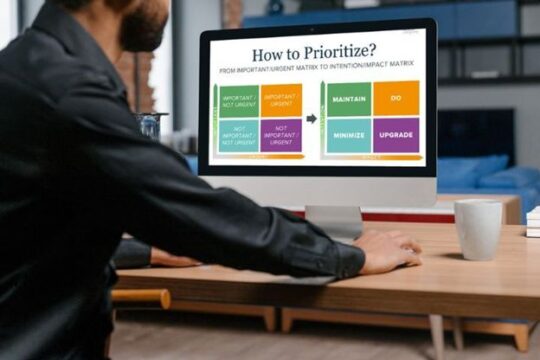
The intention-impact matrix is a conceptual tool we’ve developed at The Productive Muslim Company to help individuals align their tasks and actions with long-term impact and underlying intention. This is particularly aligned with our Barakah Culture approach to productivity.
Read article
When Souls Meet: How to fuse Barakah into your meetings?
We tend to think of meetings as spaces where minds meet, however, what if we redefined meetings as spaces where souls meet? How can meetings be conduits of Barakah (Divine Goodness) for ourselves and organizations, and even a means of personal and team-wide spiritual development? In this article, we explore how we can approach meetings from a spiritual perspective and the impact this will have on the quality of our meetings.
Read article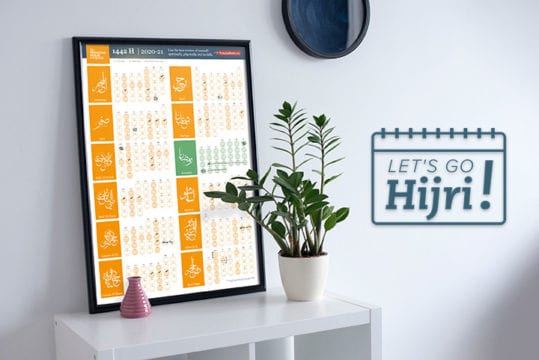
Why The Islamic Calendar Matters More Than You Think
In the 1950s, the United Nations received a proposal for the adoption of a uniform World Calendar. The World Calendar would be a 12-month calendar with two x 24 hour-waiting days (called “World Days”) to ensure the calendar starts on the same day each year, and hence the days of the week would never shift
Read article
#TravelingWhileMuslim: A Practical Guide for Muslim Business Travelers
As a business traveler, I travel frequently within the USA and abroad. Sometimes, practicing Islam during frequent business travels in non-Muslim majority countries (like the USA) can appear to be challenging for the Muslim professional. Modern-day business travel is harrying enough for professionals, especially IT executives. On a typical travel day, I run through an
Read article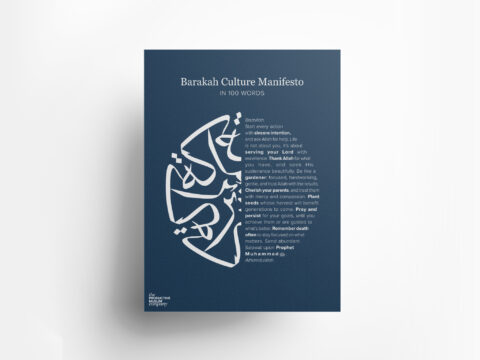
Barakah Culture Manifesto in 100 Words
The following manifesto was written in the city of Barakah, Al-Madinah Al-Munawarah (The illuminated City), the city of Prophet Muhammad in November 2019. Click below to get the above Manifesto in high-quality 18″ x 24″ poster delivered to your home. Backstory: Blessings upon Blessings When I visited the blessed city of Prophet Muhammad in
Read article
How a Painful Work Experience Can Turn into a Powerful Opportunity for Peace & Growth
What happens when you go through painful work experiences? Do you pause to reflect on their meaning, and message for you? Do you allow them to teach you and help you grow, or do you numb your heart and mind until they pass? Being more concerned about work outcomes can lead us to sweep our
Read article